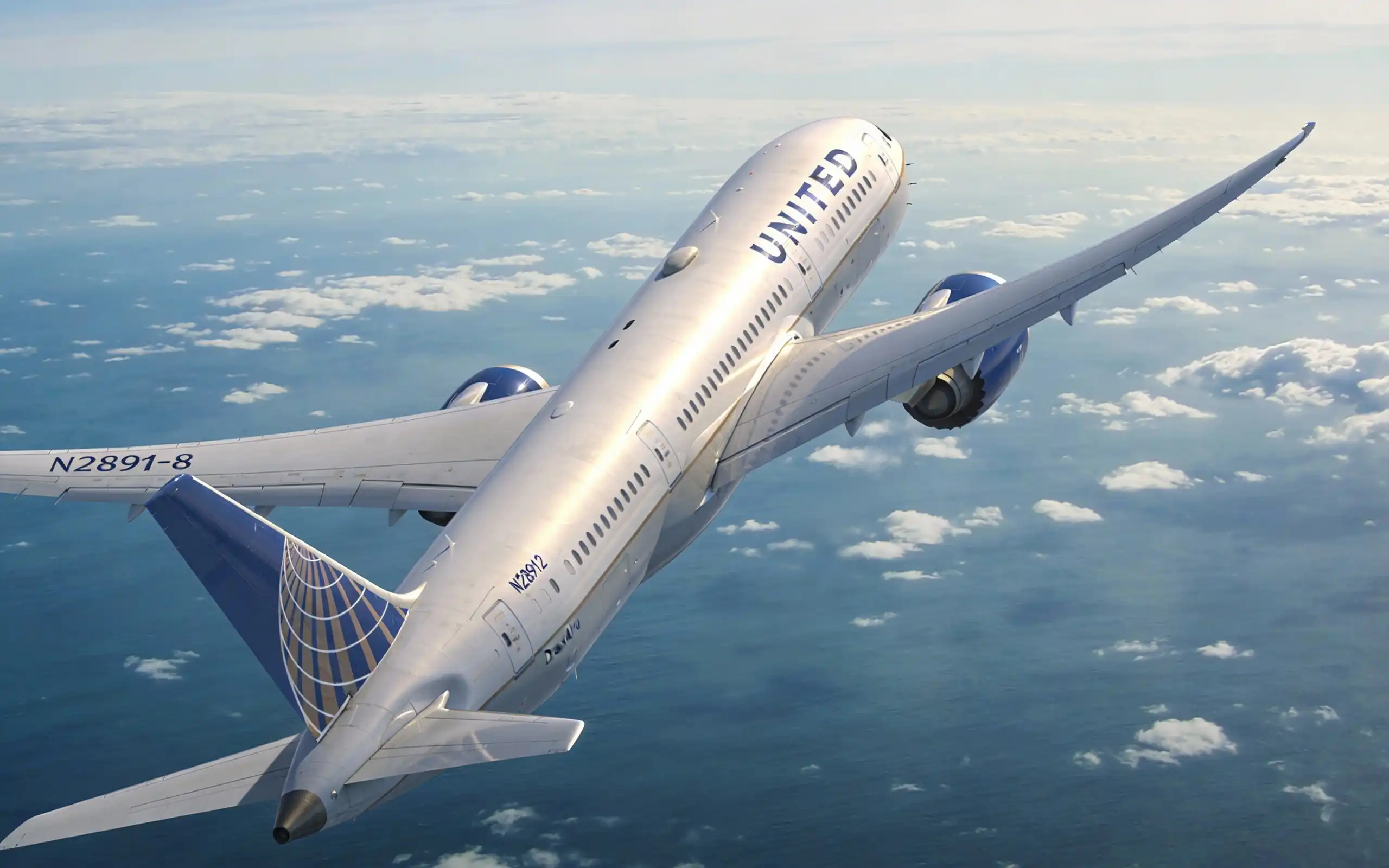
united flight ua109 diversion
In 2025, United Flight UA109 diversion became newsworthy as a typical transatlantic flight experienced unanticipated issues. Advanced airline technology was able to get the flight UA109 to land safely, proving that technology can turn a potentially catastrophic event into a success.
An Account of the Experience
It was a clear morning on the United flight from New York to London. The flight UA109 was about two hours in at cruising altitude when the United Air flight system detected issues with the cabin pressurization. The crew initiated the appropriate protocol and commenced a controlled descent. Oxygen masks were deployed.
The United airlines flight 109 crew declared an emergency and chose an alternate landing location with appropriate runway parameters. The diversion event occurred with no injuries to the United flight UA109 passengers. Passengers reported the crew’s monotonous and calm demeanor as a positive.
The United flight UA109 diversion event was similar to the United UA770 event, where the crew received the same alerts and were able to land the flight safely. The response was based on the real-time event, and United flight UA109 diversion was considered an excellent example of a positive result from a potential crisis.
Technology that Made it Possible
Today’s commercial airliner cabin and aircraft systems rely on technology to keep the systems operational. The systems that control cabin pressure utilize outflow valves that automatically adjust. If a valve fails, an alarm will sound. In United flight UA109’s diversion event, the outflow valve systems provided the flight UA109 crew with the necessary time to make a decision.
In modern aircraft, artificial intelligence is used to monitor the engine oil and detect any abnormal vibrations.
If the main power fails, backup power systems keep the flight controls operational. ADS-B technology helps in position reporting to Air Traffic Control (ATC) to assist with rerouting.
Fuel Management adds safety layers with more than enough fuel for any change in plans. These systems work seamlessly to keep small problems from becoming big problems. In 2025, Boeing and Airbus updates provided a 20% increase in sensor accuracy.
Crew Training and Protocols
Pilots go through 1000s of hours of simulator training for potential real-life scenarios. Every step of the process from “Mayday” to landing is checklist driven. In the United Flight UA109 diversion, the captain spoke to the first officer before making a decision on the alternate airport.
In the case of a diversion, the cabin crew communicates with the passengers to keep the panic at a minimum. The FAA regulations from after 2025 require an increase in team training for events involving cabin pressurization. This combination of technology and crew actions helps to provide the best possible outcome.
These exercises, including UA770, have to be done in a certain order. Crews have to respond to AI activated notifications, bringing their response times to the next level. This is preparation that saves lives.
The Driving Safely Innovations

| Technology | Function | Role in UA109 Diversion | 2025 Updates |
| Pressurization Sensors | Detect air leaks or valve faults | Triggered early warning and descent | AI predictive models added for 15% faster alerts |
| ADS-B Tracking | Real-time position sharing with ATC | Enabled priority landing clearance | Global coverage expanded to 99% |
| AI Maintenance | Analyzes engine/vibration data | Confirmed no major mechanical failure | PEMAS system rollout for proactive fixes |
| Turbulence Detection | LIDAR and data sharing | Avoided weather complications | IATA Turbulence Aware fully integrated |
| Backup Power Systems | Keeps controls active during faults | Maintained flight stability | Lithium-ion upgrades for longer runtime |
The provided table illustrates the importance of the tools utilized in that event. Delay avoidance is their most critical function.
The Aviation Innovations of 2025 – United Flight UA109 Diversion
This last year, there have been some significant advancements in aviation technology.
The 737 MAX by Boeing has artificial intelligence to detect anomalies that have reduced diversions by 12%. The A350 series by Airbus has also incorporated artificial intelligence (such as PEMAS) that predicts problems before takeoff.
The IATA programs give and receive real-time turbulence reports from various airlines. NASA is working with LIDAR to detect clear air turbulenc,e which is several miles ahead. These developments try to answer and mitigate the problems that caused the diversion of United Flight UA109.
Regulators requested the use of wearables for crew members to monitor bodily functions during medical emergencies. Fuel optimization strategies using dynamic calculations to determine the best diversion points.
Lessons for the Future
The further evolution of technology for the aviation industry is dependent on the flight data, such as that from United Airlines Flight UA109. The sharing of incident reports is a way for all carriers to improve. Prevention is prioritized over reaction.
By 2026, new regulations will require all airlines to conduct AI-driven audits, while pilots will receive VR training for infrequent occurrences. These advancements will create safer skies.
For more details, visit inter-net-chicks.com
About the Author